This guy was so far ahead of his time, that it would be the equivalent of Leonardo DaVinci creating the iPad.

Sergei Mikhailovich Prokudin-Gorskii was a Russian photographer who, in the early years of the 20th century, found a way to create color images from monochromatic photography. He would expose three images on glass photographic plates, shooting each of the three images with a colored filter. Then, he would project the images onto a screen – showing each image through that same colored filter – and lo and behold, we now have a color image! In fact, over 2000 of Prokudin-Gorskii’s glass plates have survived and are in the holdings of the Smithsonian Institution, who have carefully scanned each image and restored the colors in a process called digichromatography.
Take a look at the images below. What you’re seeing is Alim Khan, the Emir of Bukhara; he sat while Prokudin-Gorskii took his picture with a special three-lensed camera of Prokudin-Gorskii’s own invention – with each lens using a different filter. Then, Prokudin-Gorskii would take his plates back to his darkroom – which happened to be in his private railroad car, another benefit of being the official photographer to the Tsar – and developed the images. And on the right – is the Emir of Bukhara, in full visual color.
 |
 |
| At left: the original plates of Alim Khan, Emir of Bukhara, seated holding sword. At right: the reconstructed photo. Photo by Sergei Mikhailovich Prokudin-Gorskii. Image from the Library of Congress, http://www.loc.gov | |
Is that not astounding or what?
Okay, time to break out the experiment tools.
The constants:
- Nikon F100 35mm camera, with a 50mm f/1.4 Nikkor lens.
- Three screw-in filters; a Bower Red 2, a Tiffen Green and a Tiffen Blue.
- Four rolls of 35mm black-and-white film – Svema 64 film; ORWO NP55 film; Efke KB50 film and Kodak BW400CN film.
- My tripod, so that each of the three shots are taken from the exact same spot.
- And finally – something standing completely still and full of color.
For each subject, I first took a shot without any filters – or, essentially, I just used a “white” filter.
Then I added a Red filter – shot. Then a Green filter – shot. And then a Blue filter – shot. This order must remain consistent throughout each attempt. White. Red. Green. Blue. W.R.G.B. Heck, I can remember this as easily as counting to six.
Saturday morning, bright and early. I drove to the North Country and shot a few pictures here and there – used up the ORWO quickly, then ran through the Svema and the Kodak. On Sunday, I took some more pictures, this time shooting in Halfmoon and Waterford along Route 32 – used the Efke film for that.
While I had to wait for McGreevy Pro Lab to open up on Monday morning before I could develop the non-Kodak film, I knew that since Kodak’s B&W film could be developed in a C-41 mixture, I took that cartridge of film over to Ritz Camera in Crossgates Mall, and let them do their magic. A half hour later, the film was developed and paid for.
I scanned in each image, one by one, starting with a picture of a church in Porter Corners. Here’s what it looks like as just a regular church with a regular photograph, on left; and at right, the three red-white-blue B&W photos combined as one.
|
|
|


Holy… okay, Chuck, it’s best not to use the words “Holy” and a barnyard expletive when one is discussing a photograph of a church. ‘Kay? ‘Kay.
This was the first developed “test picture.” I have to make sure that all three images are accurately aligned; even a pixel off one way or the other will cause the photo to look like a bad silk-screening. And there’s nothing I can do about the clouds in the sky, short of either shooting when the sky is completely blue, or asking God to make the clouds hold still until I finish photographing. Yeah, like that’ll work.
Meanwhile, I dropped off my three other B&W films – the ORWO, the Svema and the Efke – at McGreevy Pro Lab for development. Yep, folks, say it with me. It’s not a Monday morning until Chuck drops some film off at McGreevy. Joe Putrock took my order. I explained my plans for this film. “Oh yeah,” he replied. “There was a Russian guy who did this 100 years ago, he’s still considered the first color photographer.”
I smiled. Joe knew what I was planning and how I wanted to do it.
On Tuesday afternoon, I got my films back. Three rolls, all developed, no bad films in the batch.
First, I’m going to show you the straight “white filter” image – the one that if you just pointed the camera at a subject without any filters, you would get this.
|
|
|
|
|
|
| *
|
|
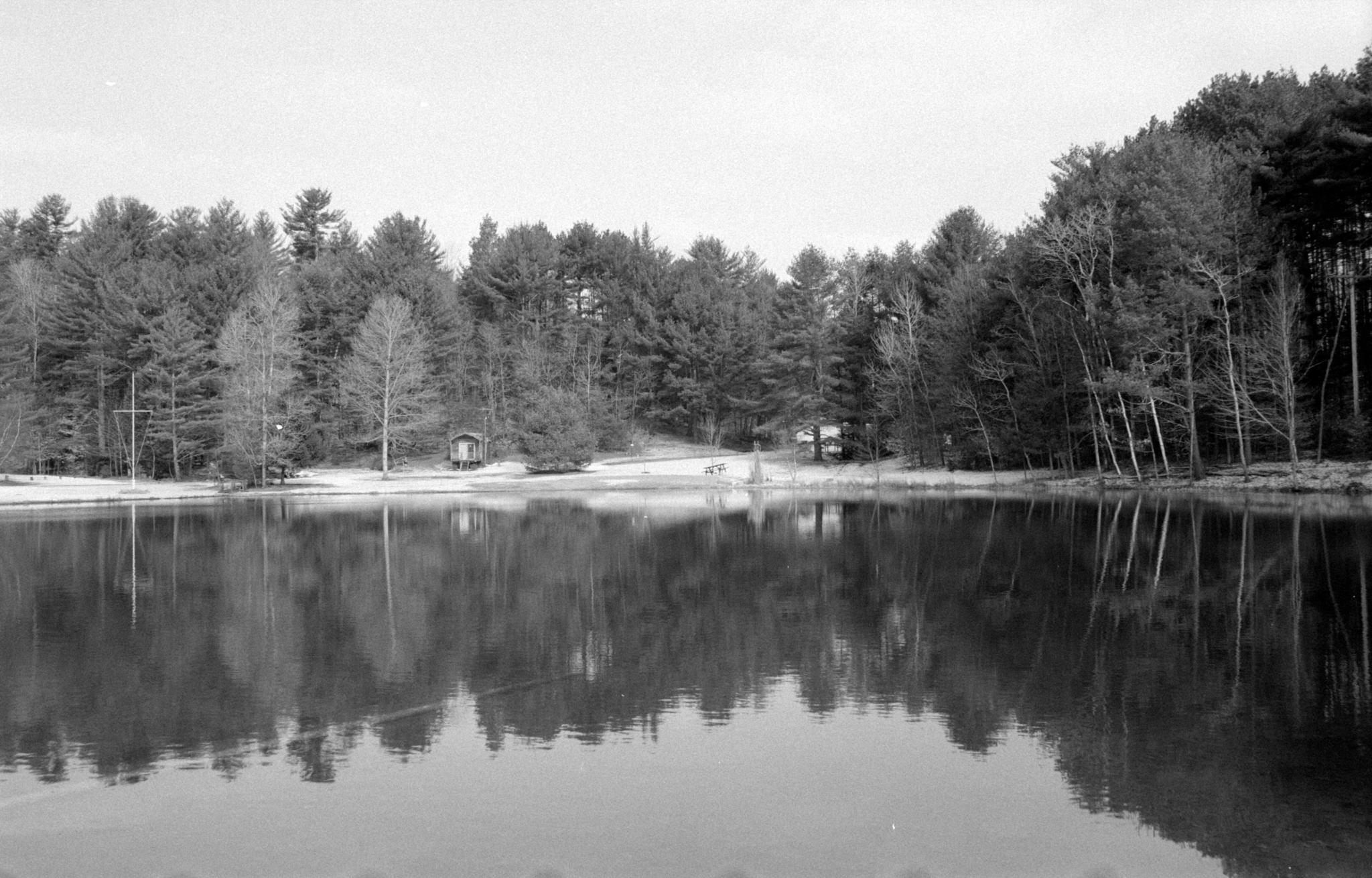
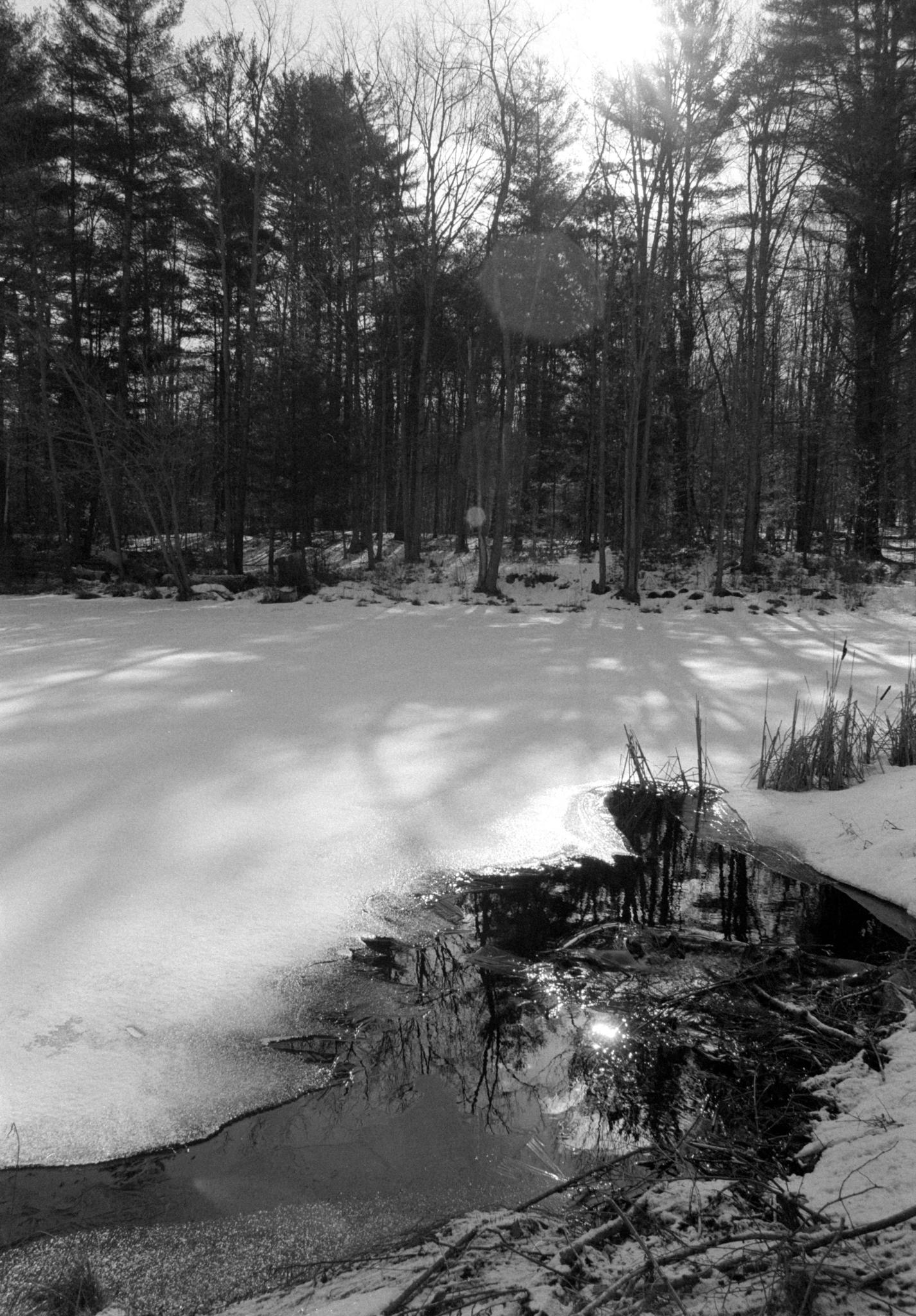
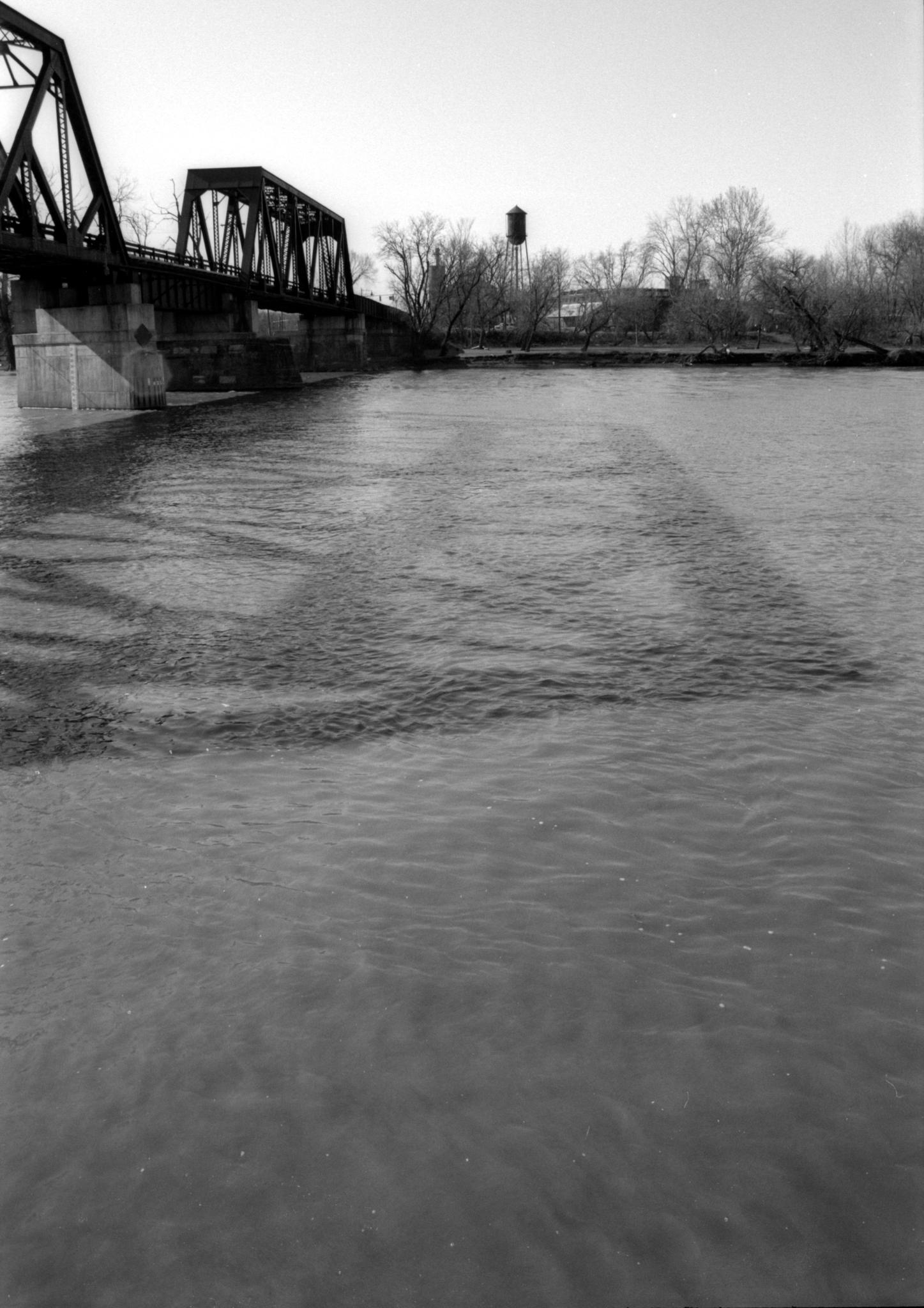
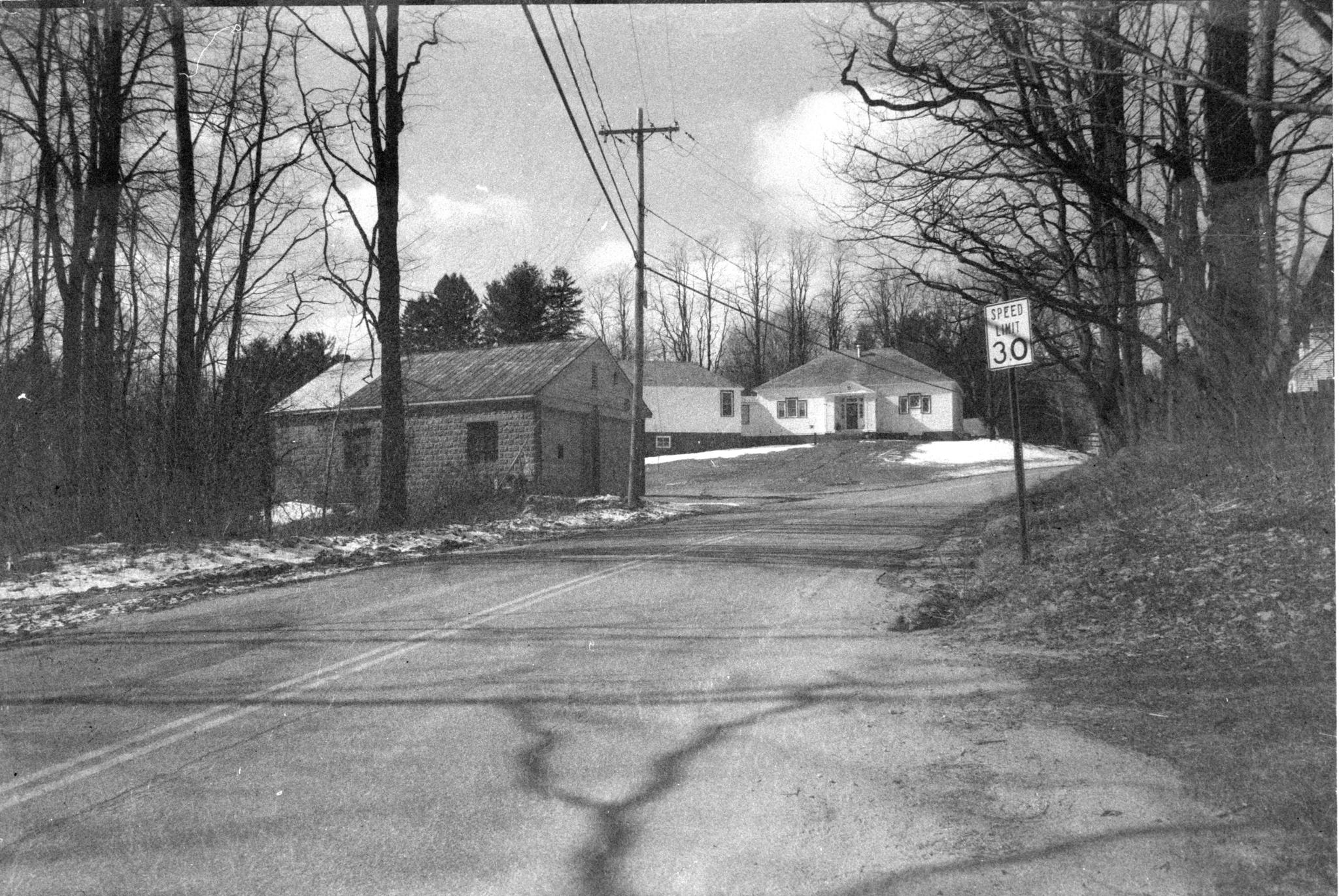
And after I combined the red – green – blue images that were taken immediately after taking the “white filter” image, here’s what I came up with.
|
|
|
|
|
|
| *
|
|
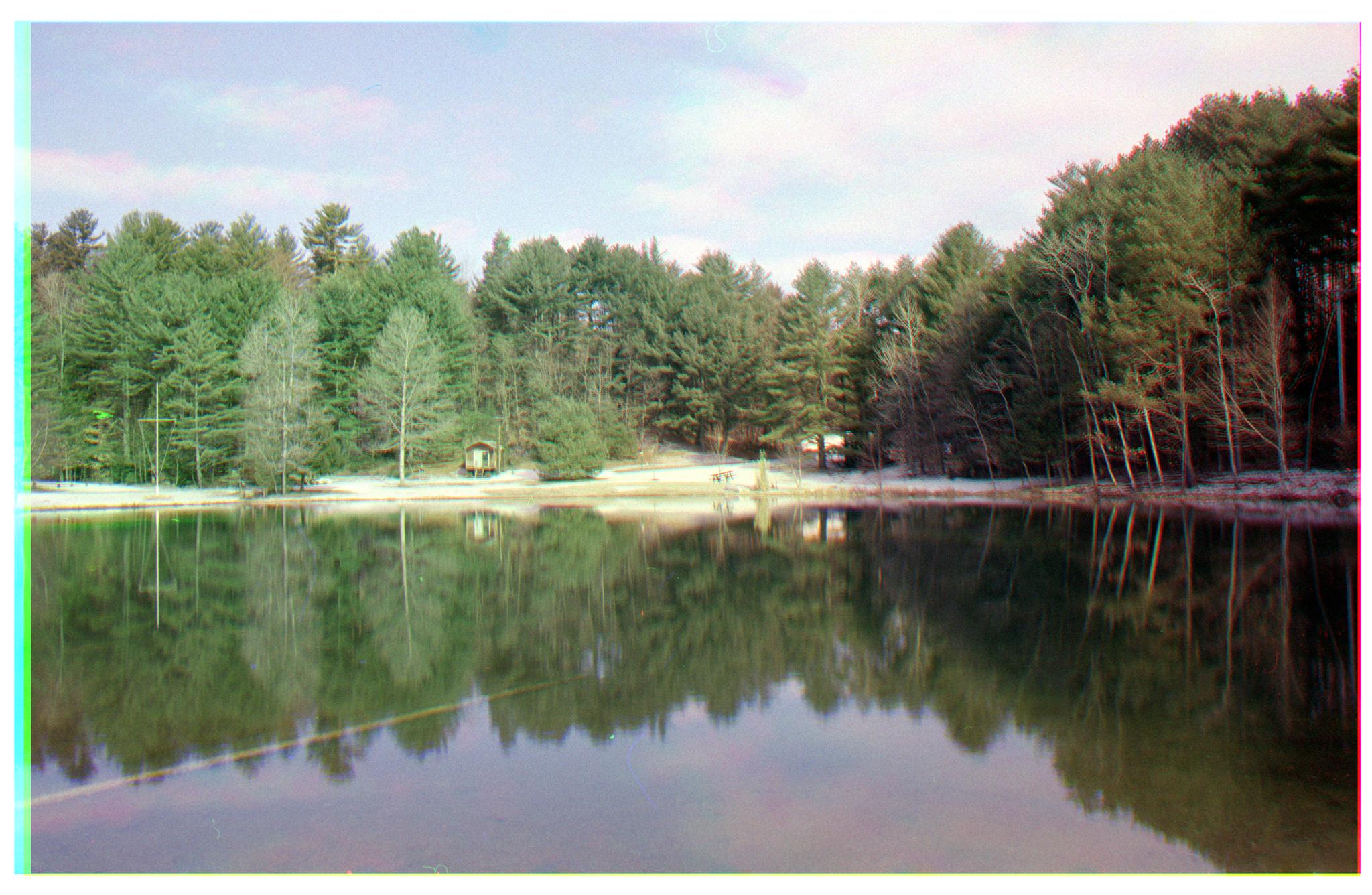
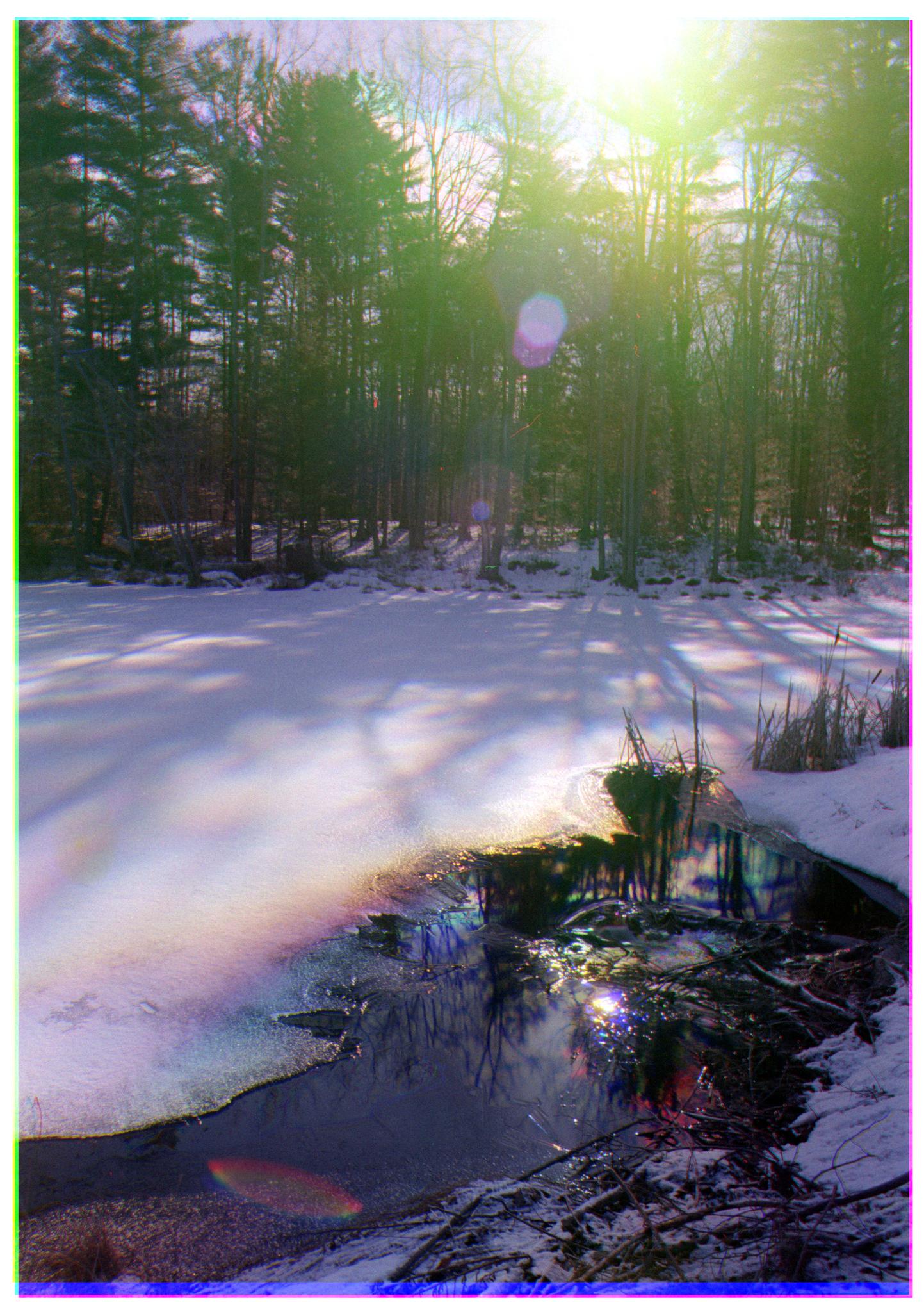
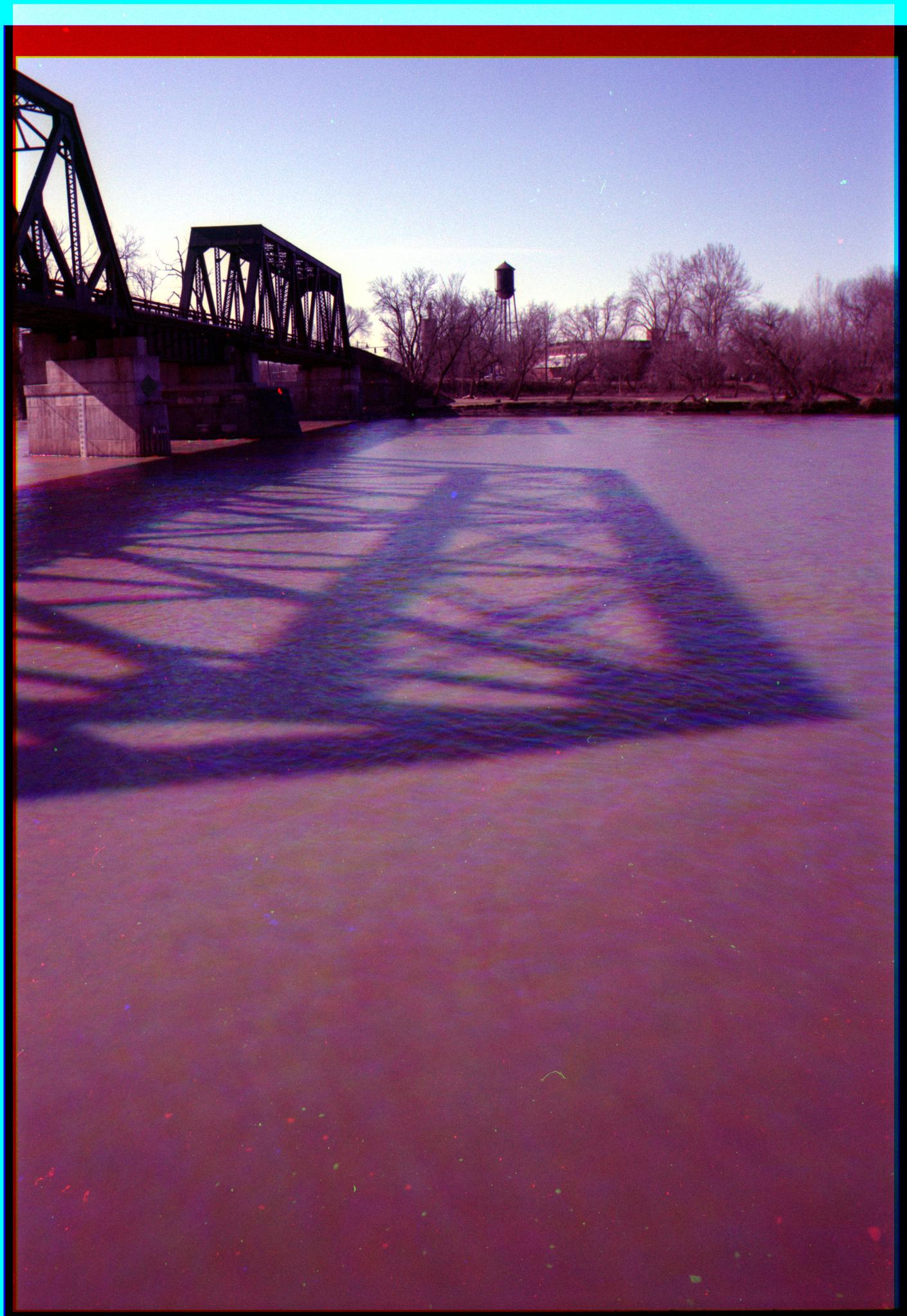
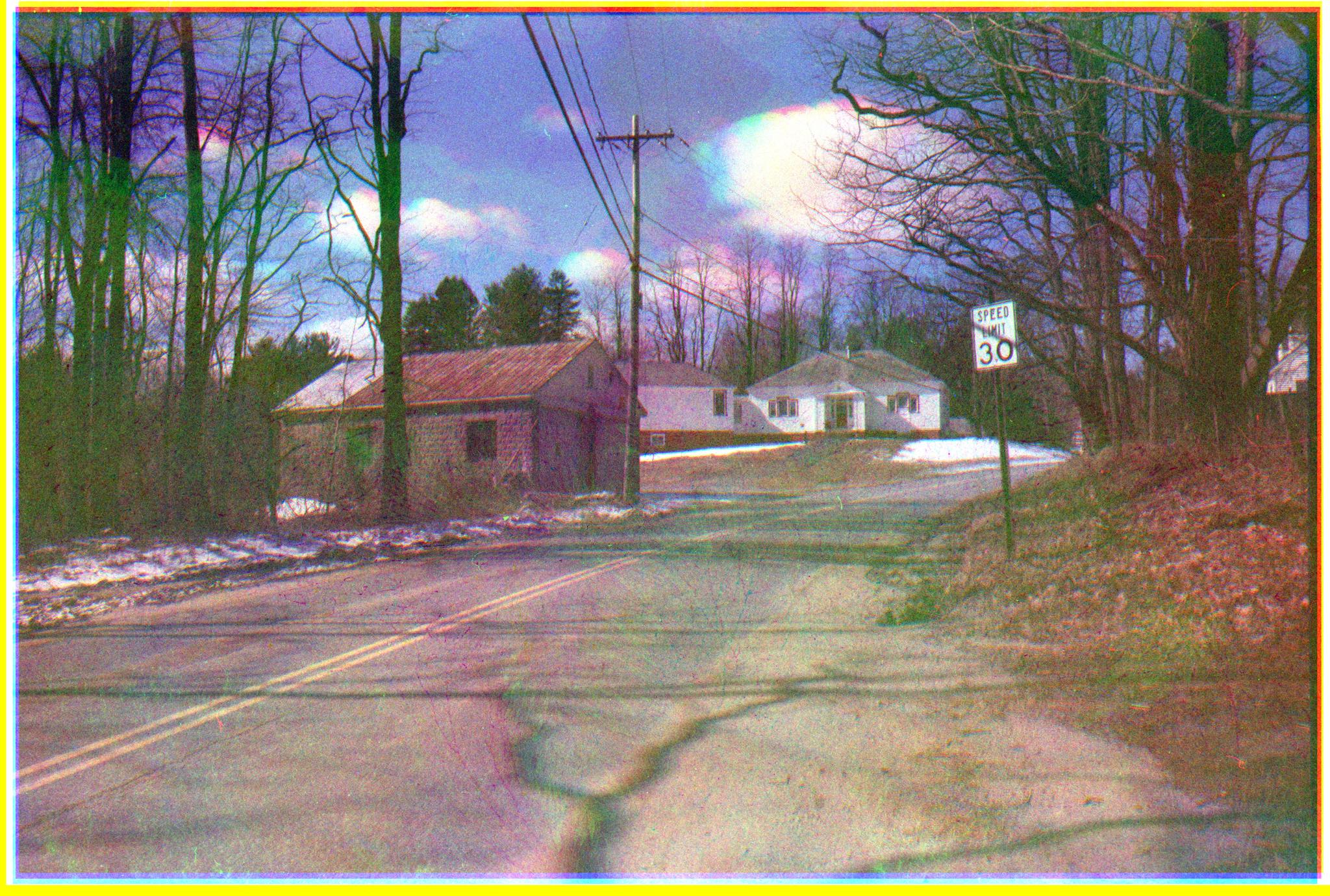
Results – promising. Very promising. Better than I expected, but I have to work on alignments – especially if I ever decide to use the Svema on this – so that it doesn’t look like a photo clipped from page 1C of USA Today. And I think I’m going to need a stronger blue filter – that water in the Waterford Bridge picture looks like it was filtered through chocolate.
Still, I like how this turned out, and I’m going to experiment with it some more.
Спасибо, Серге́й Миха́йлович Проку́дин-Го́рский. Меня вдохновляет вашу работу.

 Chuck The Writer
Interesting — and very similar to the Technicolor process. Here’s a nice gallery that shows more of the Prokudin-Gorskii pictures:
http://www.boston.com/bigpicture/2010/08/russia_in_color_a_century_ago.html
LikeLike
Pretty sweet. A couple of the images remind me of the days of messing around with sheets of Kodalith images, offsetting them a bit to make bas reliefs.
LikeLike
Neat. The crazy sky makes the church look like it has been taken over by the esoteric order of dagon.
LikeLike
+5 to Texas Pynchon for the HP Lovecraft reference.
LikeLike
Hmm, think I’ll change my login to Abdul Alhazred. 🙂
LikeLike
I didn’t know this kind of thing was possible. This just might be the most interesting post I’ve read on the TU blogs!
LikeLike
I love Sergei Prokudin’s work and you are a very good talented photographer, my question is this,if i have a b&w old digital photo can i do this(your work) using the 4 filters WRGB in Photoshop?i hate to colour photos manually is to much time consuming and my hand gets tire of being moving the PC mouse and i m afraid to get tendonitis, i heared about a software called Black magic what do you think about this software and explain your work using photoshop THANK YOU Alberto
LikeLike