Let’s get this out of the way right now. A professional photographer is one who is paid for their work. An amateur photographer is one that takes photos and does not get paid for the results.
This is an important distinction. Because I do sell my photos, and I have taken photos as part of contracted work, I am considered a “professional.” Or, to put it in easier-to-understand terms, an “amateur” is derived from the Latin “amat,” meaning “to love.” To do something for the love of the art.
As I said, this is an important distinction. It’s also the reason why, even though I thought I would enter the Schaghticoke Fair’s photography competition for the first time this year … I can’t. Their rules specifically state that only amateur photographers may enter their competition.
Which is fine. This is why you check the rules and the exhibitor book for such things.
But it brings me back to the difference between amateur and professional. It’s a matter of pay. It’s not a matter of skill. An amateur photographer may be no better or worse in skill than one who is paid for their work.
Over the years, I’ve had people tell me that I’m only a “professional” photographer because of my gear. Yeah, I have some expensive cameras. I also have shot award-winning images with $15 point-and-shoot equipment. It’s not the gear, it’s what you do with it.
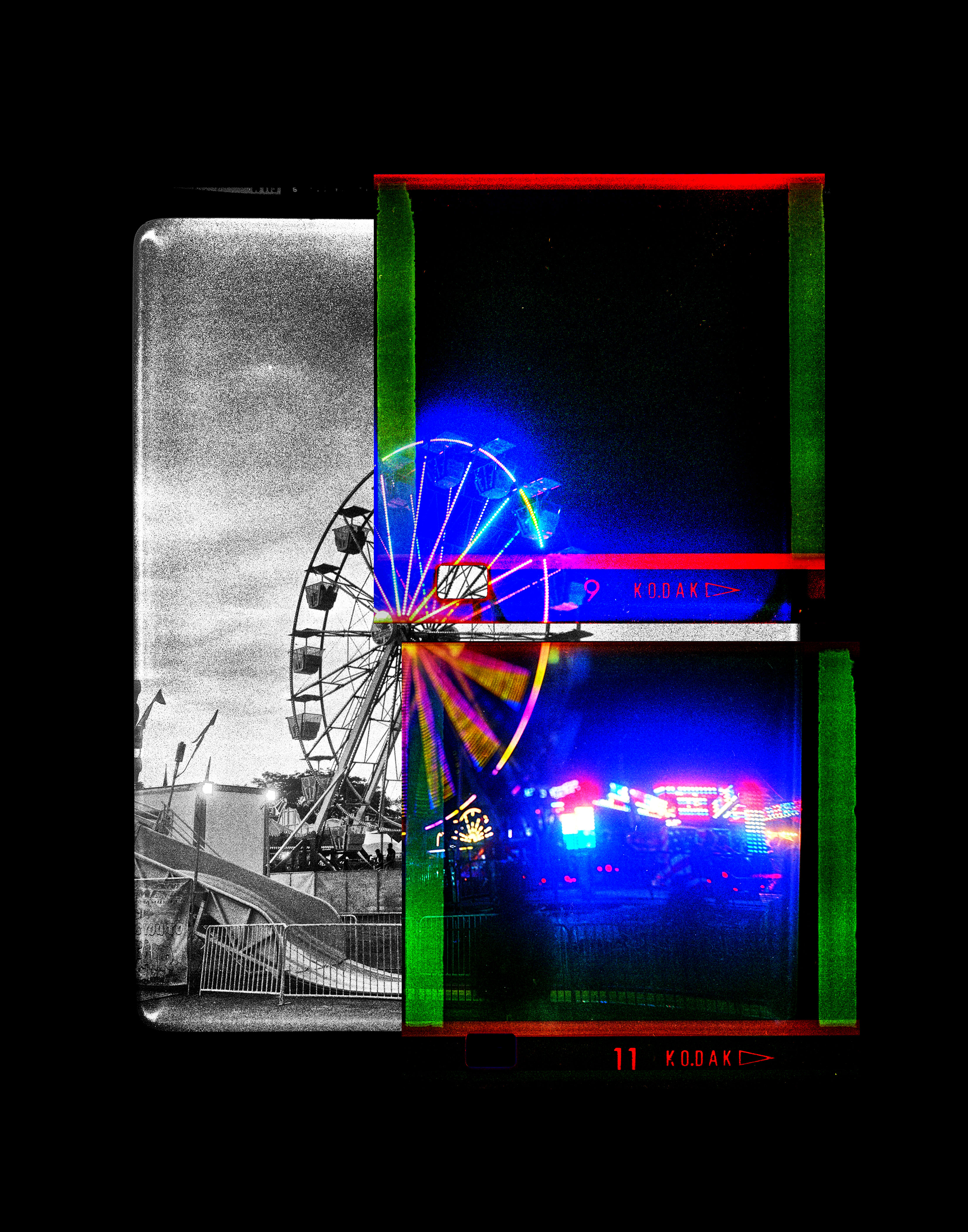
I’ve also had people claim that I’m not a true photographer because I use “trickery” in my output. You know – those images where I combine one film strip on top of another. That’s not “trickery.” That’s creating something with the technology of the camera itself. It’s finding a creative way to use the camera to generate a new and unique concept.
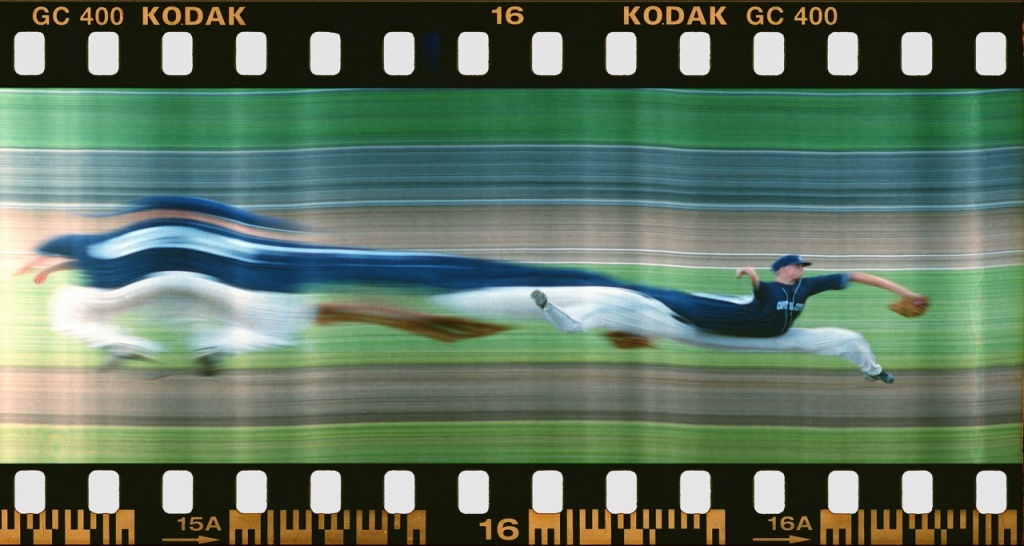
What people don’t understand is that I still look to my cameras for inspiration. They get me through tough times in my life. They get me through breakups. They get me through hardships. They get me through my darkest moments.
Some people have even accused me of using this skill against interpersonal relationships. “You’ll drive 500 miles to take a picture of a flower,” one relative said to me, “but you won’t drive across town to visit your family.”
Maybe so. But in those moments, I can still capture a flower’s beauty. Which is hard to do when I’m still suffering from PTSD, nearly 60 years later, after various forms of abuse were inflicted upon me and family members either looked the other way, or they blamed me for getting beaten within an inch of my life.
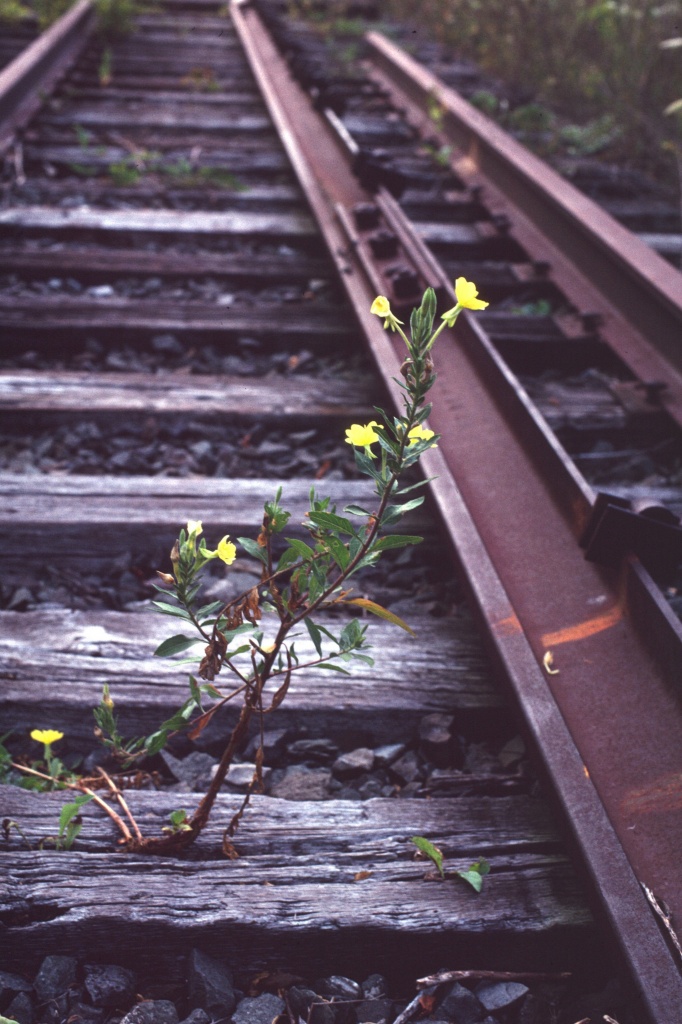
It’s not amateur / professional for me. It’s find the answer / find another answer that didn’t answer the first answer. Build on what I’ve learned. And create something entirely new.
I’m still on that journey. Professional in that someone likes my work enough to buy it from me. But still holding onto the amateur motivations of improving my talents to get people to buy my images.
It’s where I am in life.
It’s where I always will be.
Cameras as therapy.
And sometimes people purchase my therapeutic results.
So be it.

 Chuck The Writer
One could argue that “professional” means one who earns a living from the work, but I have known too many professional photographers who didn’t meet that criterion.
LikeLiked by 1 person